

Cardinal Virtues
Principles to Live By

In this newsletter Inspiring History we speak of how to make the world a better place. We also talk about good examples of people who represent the best ways to do so.
A way to generalize the qualities that people have that can amount to the abilities to make the world better can be known as virtues. Virtue may be defined as “a good or useful quality of a thing” in a most generalized definition. Moving toward people, this may be “qualities considered morally good or desirable in a person” and “behavior showing high moral standards.”
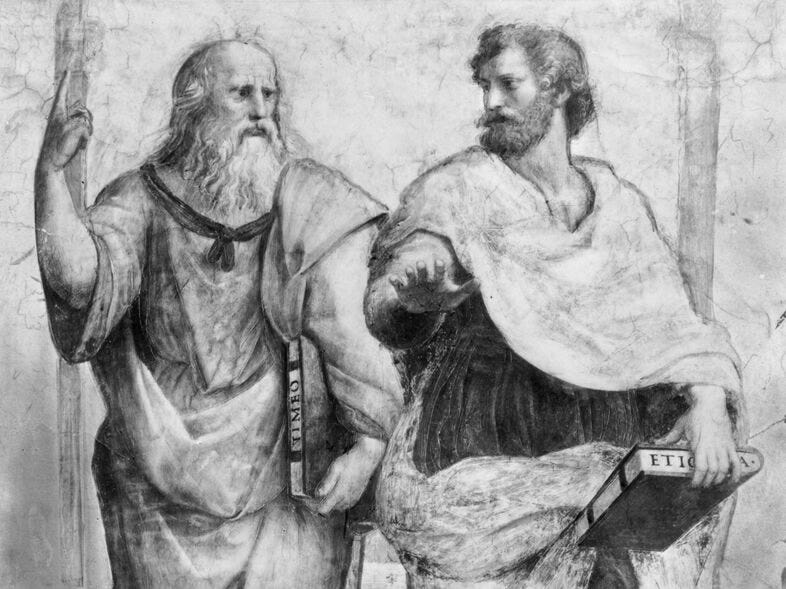
Main, or chief, virtues that are considered natural, are: justice, prudence, temperance, and fortitude. These were defined far back in time, in fact by the likes of Plato and Aristotle during the Golden Age of Greece some 2500 years ago. These four are known as the cardinal (main or primary) virtues. In the classical sense, they are the good points of mind and character and have been applied within classical philosophy, and in the theory of ethics. Another interpretation of cardinal comes from the Latin word cards, which means “hinge.” As such all other virtues hinge upon these three primary ones.
Let’s look into each of these four to understand more on how we can utilize these good qualities.
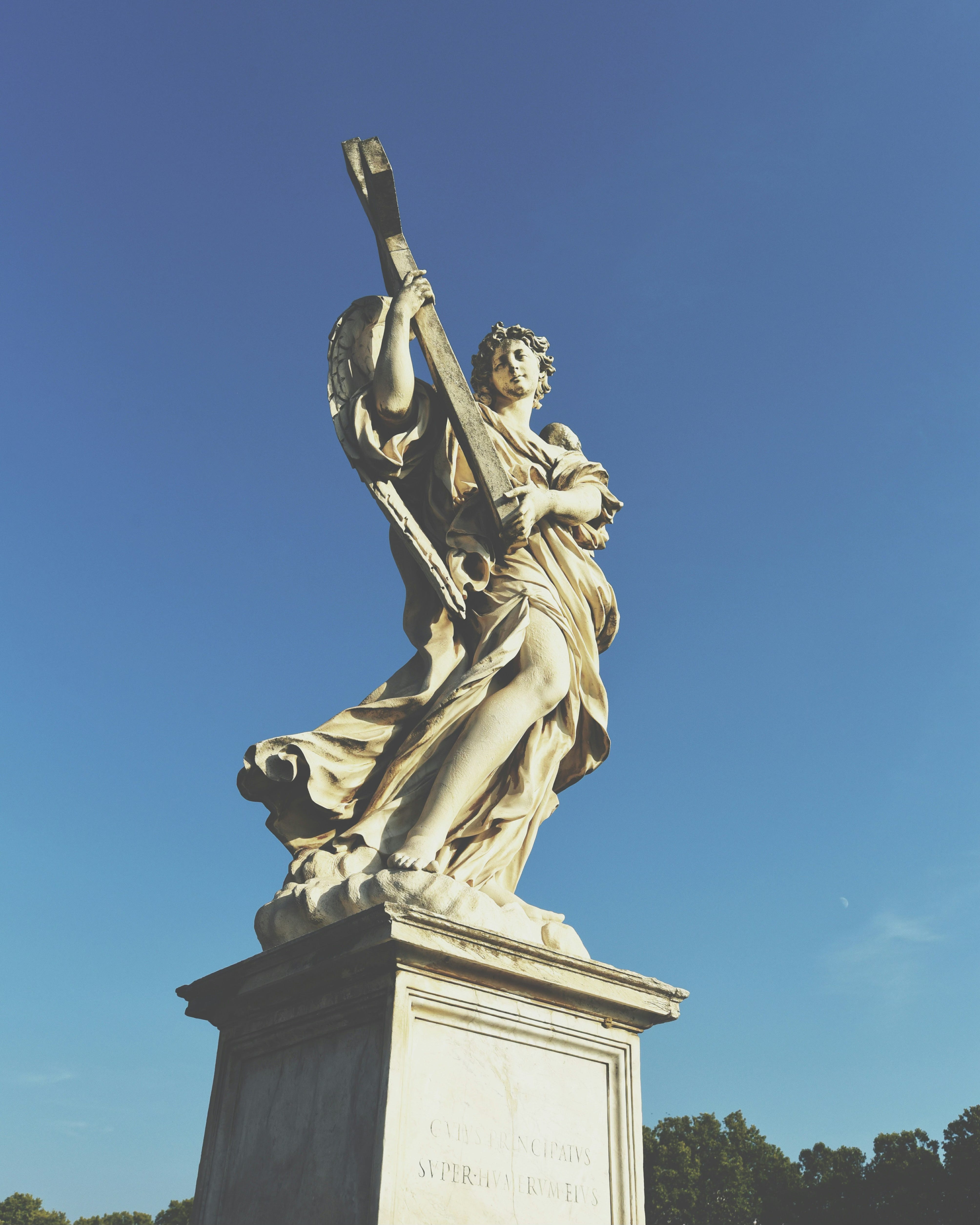
Prudence – The ability to judge correctly what is right and wrong in any given situation. Possesses wisdom, cautious, considers situations.
Justice – The commitment to give others their due, ensuring fairness. The Greek word also has the meaning righteousness.
Fortitude – The courage to endure difficulties and remain steadfast in moral convictions. Patience and perseverance are other meanings. Brave, bold, with valor and daring. Other terms might be: spirit, heart, mettle, tenacity, resolution, hardy, and determined.
Temperance – The practice of self-control and moderation in desires and actions. Other meanings are: discretion, moderation, tempering, and restraint.
These virtues were first outlined by Plato in The Republic and later expanded upon by Aristotle in Nicomachean Ethics. They were also recognized by Stoic philosophers and integrated into Christian teachings alongside the theological virtues of faith, hope, and charity.
In the scope of this newsletter, people who exhibit good traits would possess the qualities depicted in the Cardinal Virtues described above. Those who do so earnestly may be people whose story might be a Portrait in Character.
*****
Inspiring History is a compendium of people we could recognize for their good traits: knowledge, skills, abilities, and intentions that amount to qualities that have made our world a better place. These Portraits in Character offer us examples that we could emulate ourselves for us to also improve the human condition and the world around us.
*****
I have a number of book launches happening over these couple of years. Namely:
May 2024 Honest Ogden
June 2025 Franklin High School: Two Basketball Dynasties (with Mike Ferrara)
August 2025 Voices of ‘76: Americans Speak of our Freedom
October 2025 Mohawk Along the Delaware: A Story of the Sewards
February 2026 Last Signer of the Declaration of Independence: Lewis Morris III
September 2026 Columbia Football: A Winning Story
*****
Thanks for reading Inspiring History! Subscribe for free to receive new posts and support my work.
Follow me on Facebook https://www.facebook.com/TruranBill/
And on Substack Inspiring History billtruran.substack.com
Check out my webpage at www.truran.com
The newest book Franklin High School: Two Basketball Dynasties (with Mike Ferrara)

Available on Amazon and at Sparta Book Store & Branchville Broad Street Bookstore

*****
Images from public domain
Image #1 from tommao-wang-UYoh4nHrX94-unsplash
*****
Episode 81 7/19/2025
Thanks for reading Inspiring History! Subscribe for free to receive new posts and support my work.